


The Starter Wife Series Part 1: Pretty. Pleasant. Chosen.
What messages did Generation X girls grow up hearing about beauty, marriage, and what it meant to be a "good" woman? This first post explores the quiet expectations many of us accepted without question—and how those early lessons shaped the lives we would later build.
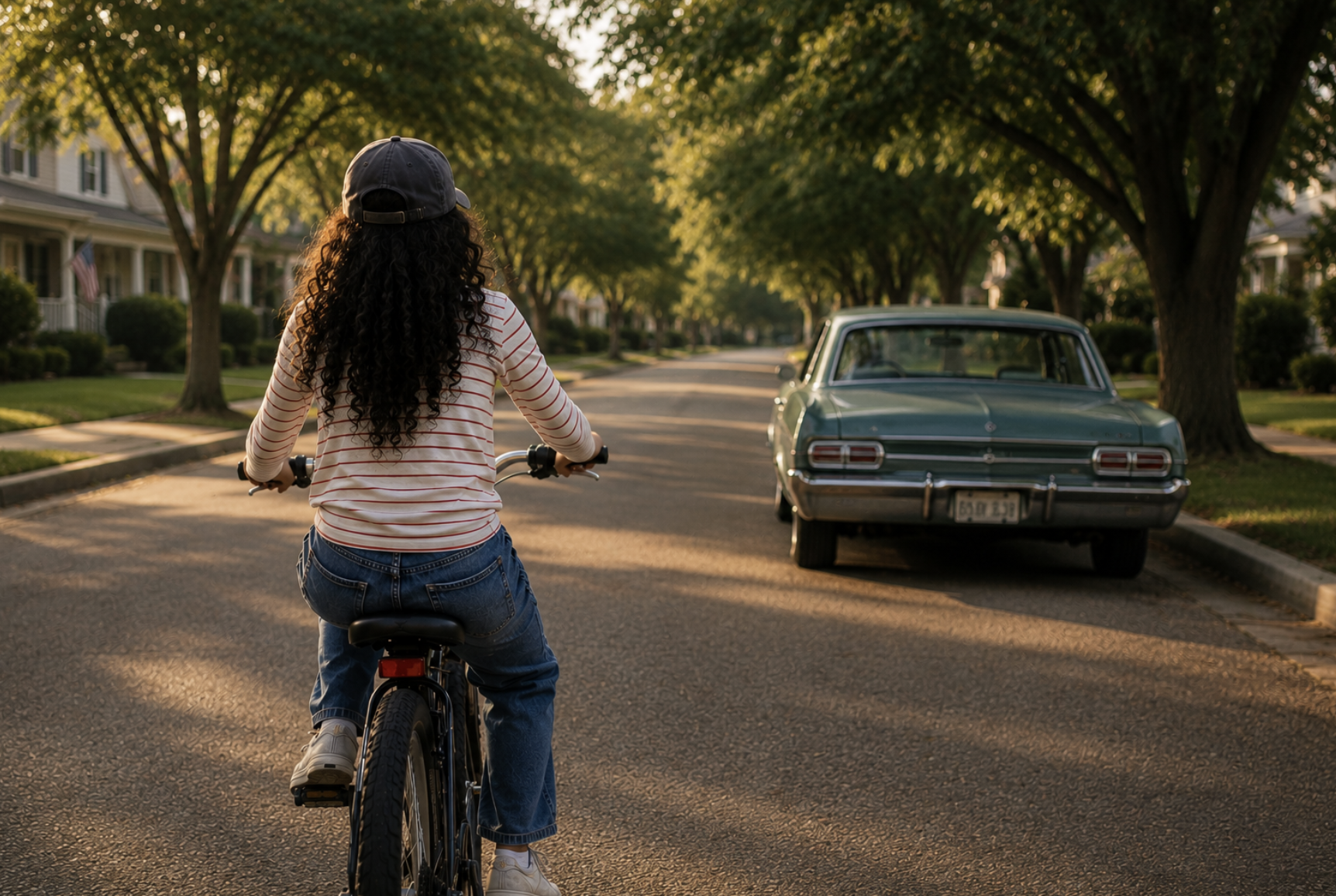
We didn't grow up hearing just one message about what it meant to be a woman.
We grew up hearing hundreds of them.
Some arrived disguised as nursery rhymes.
"Sugar and spice and everything nice."
Others were spoken by parents, teachers, clergy, television personalities, and well-meaning relatives.
"Little girls should be seen and not heard."
"Be nice."
"Don't be bossy."
"Act like a lady."
"Someday you'll make a wonderful wife and mother."
And perhaps the most powerful message wasn't spoken at all.
Pretty girls got noticed.
Pleasant girls got praised.
And many of us quietly learned that being chosen mattered more than being known.
By the time many of us reached adulthood, these messages had woven themselves into our understanding of who we were supposed to be.
For Generation X women especially, the contradictions were impossible to miss.
We were told we could be anything we wanted to be.
But we were also taught that a woman's value was often measured by how much she sacrificed for everyone else.
We were encouraged to pursue an education.
But we were still expected to be the primary caretaker.
We were told to be independent.
But not too independent.
Strong.
But not intimidating.
Confident.
But not outspoken.
Successful.
But never at the expense of our families.
Many of us entered young adulthood carrying these competing expectations into our marriages, careers, and motherhood. We became the generation that attempted to do it all—build careers, raise children, maintain homes, support aging parents, and somehow still smile through exhaustion.
The challenge wasn't simply the workload.
It was the invisible weight of decades of cultural messages telling us that our worth was tied to how much we could carry.
Only now, decades later, are many women beginning to ask a different question:
What if our value was never determined by our ability to endlessly give, accommodate, nurture, and sacrifice?
What if being "everything nice" came at a cost?
And what if the next generation deserves a different message altogether?